
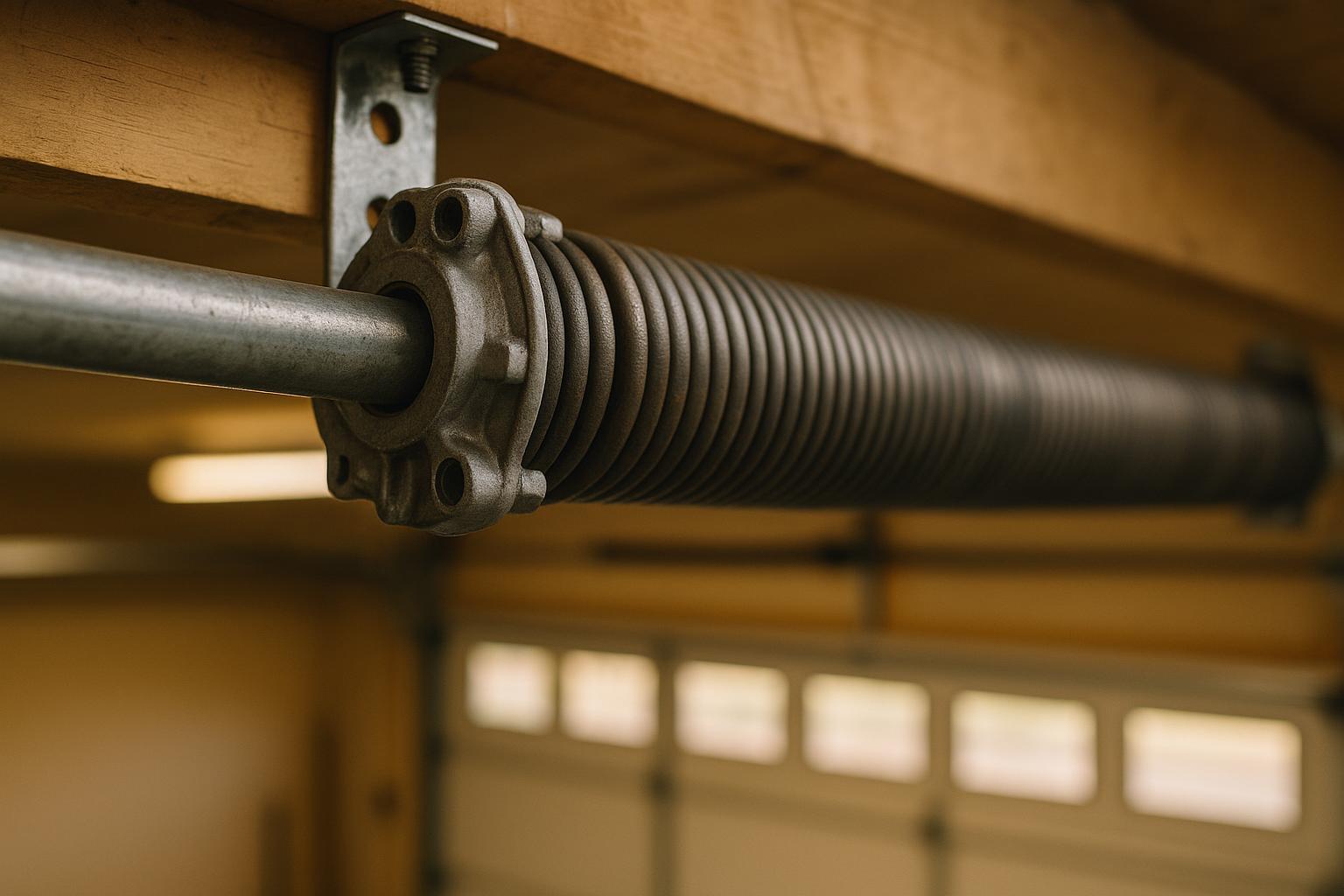
Your Garage Door Springs Are Doing More Work Than You Think
Every time you open or close your garage door, the springs are doing the heavy lifting — literally. A standard two-car garage door can weigh between 150 and 250 pounds, and the springs are responsible for counterbalancing all of that weight. Without them, your opener couldn't move the door, and you certainly couldn't lift it by hand.
Given how hard they work, it's no surprise that springs are one of the most common garage door components to fail. But most homeowners in Ramona don't think about their springs until they snap — and by then, you're stuck with a door that won't budge, or worse, a dangerous situation in your garage.
So how often should you actually replace your garage door springs? Let's break it down.
How Long Do Garage Door Springs Last?
The lifespan of a garage door spring is measured in cycles. One cycle equals one full open and one full close of the door. Most standard torsion springs are rated for approximately 10,000 cycles, which translates to roughly 7 to 10 years of average use.
However, that number can vary significantly depending on several factors:
- Frequency of use: If your garage door is your primary entry point and you're opening it four to six times a day, you'll burn through those cycles much faster than someone who only uses it once or twice daily.
- Spring quality: Not all springs are created equal. Higher-quality, high-cycle springs rated for 20,000 or even 30,000 cycles are available and can last significantly longer.
- Climate and conditions: Here in Ramona, we enjoy relatively mild weather, but the temperature swings between hot summer days and cooler winter nights can still affect metal fatigue over time. Rust and corrosion from humidity or coastal moisture that drifts inland can also shorten spring life.
- Maintenance: Springs that are regularly lubricated and inspected tend to last longer than those that are neglected.
Torsion Springs vs. Extension Springs: Does the Type Matter?
Yes, the type of spring on your garage door affects both its lifespan and the risks involved when it fails.
Torsion Springs
These are mounted horizontally above the garage door opening. They use torque to lift the door and are the more common type found on modern garage doors. Torsion springs are generally considered safer and more durable. When they break, they typically stay on the shaft rather than flying across the garage.
Extension Springs
These run along the horizontal tracks on either side of the door. They stretch and contract to provide lifting force. Extension springs are more common on older or lighter doors. When they break, they can become dangerous projectiles if safety cables aren't installed.
If your home in Ramona still has extension springs without safety cables, we strongly recommend having a professional assess the setup and consider upgrading to torsion springs or at the very least adding safety restraints.
Warning Signs Your Springs Are Nearing the End
Springs rarely fail without some warning. Here's what to watch for:
- The door feels heavier than usual: If your garage door seems harder to lift manually or your opener is straining, the springs may be losing tension.
- Visible gaps in the spring coils: A healthy torsion spring has tightly wound coils. If you notice gaps or separation, the spring is stretched and weakening.
- The door doesn't stay open: When you disconnect the opener and lift the door halfway, it should stay in place. If it slides down, the springs aren't providing enough counterbalance.
- Loud bang from the garage: If you heard a loud sound like a firecracker coming from your garage, a spring may have already snapped. Check the spring above the door for a visible break or gap.
- The door opens unevenly: If one side lifts faster than the other, one spring may be weaker or broken, especially on doors with two torsion springs.
Should You Replace Springs Before They Break?
Absolutely. Proactive spring replacement is safer, less stressful, and often less expensive than emergency repairs. When a spring snaps unexpectedly, you're left with an inoperable garage door — which can trap your car inside or leave your home unsecured. Emergency service calls also tend to cost more than a scheduled appointment.
If your springs are approaching the 7-to-10-year mark or you've noticed any of the warning signs above, it's worth having a technician inspect them. Many Ramona homeowners choose to replace springs proactively during a routine maintenance visit, which saves time and gives them peace of mind.
Replace Both Springs at the Same Time
If your garage door has two torsion springs and one breaks, we always recommend replacing both at the same time. The second spring has the same number of cycles on it and is likely close to failing as well. Replacing both ensures balanced operation and prevents you from paying for a second service call in a few months.
Can You Replace Garage Door Springs Yourself?
This is one of the most common questions we hear, and the answer is a firm no — at least not safely. Garage door springs are under extreme tension. A torsion spring stores enough energy to cause serious injury or even death if it's mishandled. Every year, DIY spring replacement attempts lead to emergency room visits across the country.
Professional technicians have the proper tools, training, and experience to replace springs safely. The job typically takes less than an hour and ensures the springs are correctly sized and calibrated for your specific door.
How to Extend the Life of Your Garage Door Springs
While springs will eventually wear out no matter what, there are a few things you can do to maximize their lifespan:
- Lubricate the springs regularly: Apply a silicone-based or white lithium grease spray to the springs every three to four months. This reduces friction and helps prevent rust.
- Schedule annual maintenance: A professional tune-up includes inspecting the springs, checking balance, tightening hardware, and lubricating all moving parts. This small investment can add years to your spring life.
- Upgrade to high-cycle springs: If you use your garage door frequently, consider investing in springs rated for 20,000 or more cycles during your next replacement. The upfront cost is slightly higher, but the long-term value is significant.
- Keep the door balanced: An unbalanced door puts uneven stress on the springs. If the door drifts up or down when you release it at the halfway point, call a technician to adjust the tension.
Ramona Door & Opener Is Here When You Need Us
Whether your springs have already snapped or you want to stay ahead of the problem, Ramona Door & Opener is ready to help. We serve homeowners throughout Ramona, Poway, Escondido, San Diego Country Estates, Lakeside, and Julian with honest, straightforward garage door service.
We'll inspect your springs, give you a clear assessment of their condition, and recommend the best path forward — no upselling, no pressure. If replacement is needed, we use high-quality springs and back our work with a solid warranty.
Don't wait for a loud bang in the garage to take action. Contact Ramona Door & Opener today to schedule a spring inspection or maintenance visit. A little prevention now can save you a lot of hassle later.